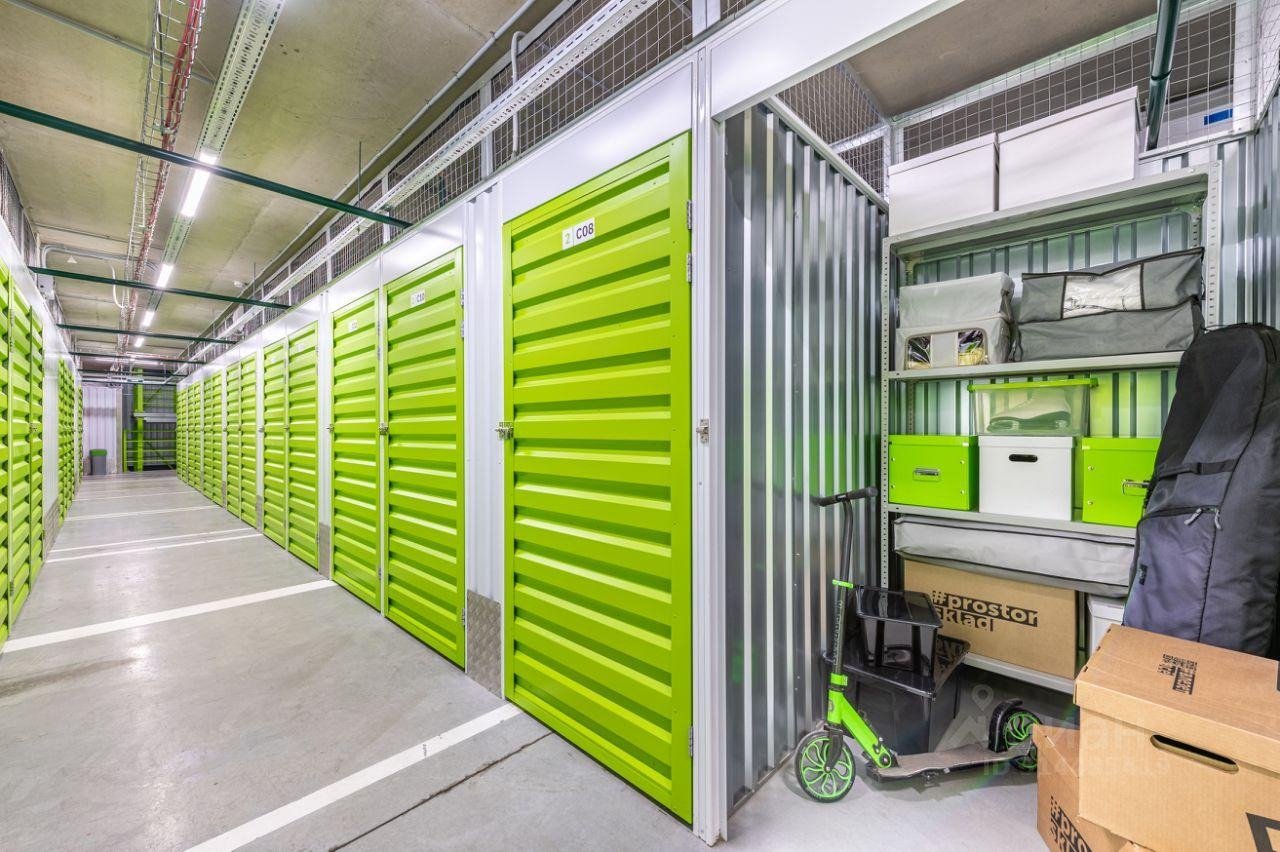
Let me be honest with you about something. When I first started looking into self storage in Dubai, I assumed it was going to be complicated, overpriced, and buried somewhere in an industrial zone near nothing useful. That assumption cost me about four months of shoving things under beds and stacking boxes in corners I couldn’t comfortably walk around.
Dubai does not make it easy to have too much stuff. The apartments are sleek, the layouts are deliberate, and there’s generally nowhere to put anything that doesn’t have an obvious home. If you’ve lived here longer than a year, you already know exactly what I mean. If you’re newer to the city, you’ll figure it out fast enough.
The thing is, self storage UAE has changed dramatically over the last several years. What used to be a pretty basic offering of a unit, a lock, a shutter door has turned into a genuinely well-run industry that a lot of Dubai residents are still sleeping on. And that’s a shame, because for what it costs, it solves a problem that most people here are just silently managing rather than actually fixing.
This isn’t a promotional piece dressed up as advice. It’s an honest look at how the self storage Dubai market works, what it costs, who it actually makes sense for, and what you should be asking before you hand over your card details to anyone.
The Real Reason Dubai Has a Storage Problem Nobody Talks About
Dubai’s housing patterns make flexibility almost essential. People arrive on short-term plans that become permanent, families expand faster than expected, and work situations change every few months. A couple can comfortably fit into a furnished apartment for two years, then suddenly need space for baby equipment, business inventory, seasonal items, and furniture from a newly rented unfurnished flat. That shift happens constantly across the city, which is why demand for practical storage solutions keeps growing.
Instead of paying significantly higher rent just to gain an extra room that mostly holds boxes, many residents now rely on secure storage units to manage these transition periods more efficiently. The appeal is not just about saving space. Climate-controlled facilities protect furniture, electronics, documents, and personal belongings from heat, humidity, and dust, all factors that matter far more in Dubai than many newcomers initially realize.
The real advantage is convenience during periods of uncertainty. Someone leaving the UAE temporarily does not need to sell everything. A growing family does not need to rush into a larger apartment immediately. An online seller can separate business inventory from daily living space. In a city where lifestyles evolve quickly, self storage works because it adapts alongside those changes rather than forcing people into expensive long-term housing decisions.
What Self Storage in Dubai Actually Costs No Vague Answers
This is the part most articles skip past with something unhelpful like “prices vary depending on your needs.” Yes, obviously. But let’s get more specific than that.
In Dubai, a small storage unit roughly 25 to 50 square feet, which fits the contents of a single furnished bedroom including a bed frame, a wardrobe, and about 15 to 20 packed boxes typically runs somewhere between AED 200 and AED 500 per month depending on the facility, the location, and whether climate control is included.
A medium unit, around 75 to 100 square feet, will generally land between AED 500 and AED 900 per month. That’s your one-bedroom apartment’s full contents, furniture included, stacked reasonably well.
Larger units from 150 square feet upward used by small businesses, families clearing out before a renovation, or people storing multiple vehicles range more widely but can start around AED 1,000 and scale from there based on what you actually need.
These numbers are meaningfully lower than what most people guess before they look into it. The comparison that recalibrates things quickly is this one: a parking space in a decent Dubai building often costs between AED 300 and AED 600 per month. A storage unit that holds the contents of your entire apartment can cost roughly the same. That comparison tends to stick.
The catches and there are some mostly live in the fine print. More on that shortly.
Does Your Stuff Actually Need Climate-Controlled Storage?
Short answer: probably yes, if you care about it at all.
Dubai’s summer heat is not a polite inconvenience. It is genuinely extreme. Temperatures inside an unventilated storage space during July or August can reach levels that do real, irreversible damage to things people routinely underestimate. Wooden furniture warps. The glue in flatpack furniture fails. Electronics develop internal condensation issues that only become apparent when you plug them back in months later. Leather cracks. Photographs yellow and stick together. Books and documents curl.
Climate-controlled storage units in Dubai maintain temperatures between roughly 18 and 24 degrees Celsius year-round, with humidity managed alongside temperature. For most items with any value, financial, sentimental, or practical the difference matters.
The price difference between a climate-controlled unit and a standard one is usually not dramatic. At a good facility, it’s often built in rather than charged as a separate upgrade. If a provider is quoting you a very low headline price and then adding climate control as a premium on top, do the full maths before assuming you’re getting a better deal at that facility.
E Self Storage UAE, for example, includes climate control as standard rather than treating it as an extra line item. That approach tells you something about how they’ve thought about what Dubai’s environment actually demands from a storage space.
What Nobody Tells You About Dubai Storage Contracts
Spend enough time talking to people who’ve had frustrating experiences with self storage in the UAE and a pattern emerges. It’s almost never about the unit itself. It’s about what they didn’t read before signing.
Here are the specific things worth scrutinising before you commit to anything:
- Minimum rental periods: Some facilities require three or six months upfront even if you only need two. Life in Dubai changes fast. A flexible month-to-month arrangement is worth more than a small discount that locks you into a timeline you might not be able to honour.
- Administration fees charged at sign-up: These can range from AED 100 to several hundred dirhams and are not always mentioned during the initial pricing conversation.
- Insurance requirements: Some contracts require you to purchase insurance through the facility at their rate. Others allow you to use a third-party policy. A few don’t mention insurance at all until you’re already at the signing stage.
- Late access or after-hours fees: If the facility advertises 24/7 access but charges extra for access outside business hours, that’s worth knowing upfront.
- Early termination conditions: What happens if you need to leave before your agreed period ends? Is there a penalty? Is your deposit at risk? Get this in writing.
A provider who is happy to walk you through all of this clearly, before you’ve committed to anything, is demonstrating something important about how they’ll handle any issue that comes up later. That transparency is not universal in this market.
How Do You Know If a Storage Facility Is Actually Secure?
This question comes up constantly, and fairly so. You’re handing over access to things you presumably care enough about to store rather than sell or give away. Security should be a conversation, not an assumption.
What a well-secured Dubai storage facility actually has in place:
- Continuous CCTV coverage across all common areas, corridors, and the facility perimeter, with monitored feeds rather than footage that only gets reviewed if something goes wrong
- Individual alarms on units rather than only perimeter security for the building
- Electronic access control PIN codes or access cards rather than physical keys that can be duplicated
- Fire suppression systems and smoke detection throughout the building, not just near exits
- On-site staff during business hours and verifiable remote monitoring at other times
When you visit a facility and you should visit before signing anything ask specifically what happens if a unit alarm triggers at 2am on a Friday. The answer, and how confidently and specifically it’s delivered, tells you more than any brochure will.
Who Is Actually Using Self Storage in Dubai Right Now?
The mental image of storage being something you use during a house move is genuinely outdated. The actual customer base at a facility like E Self Storage UAE looks a lot more diverse than that.
Expat families are going home for the summer rather than paying two months’ rent on a place they won’t be using. E-commerce sellers who started their business from home and have run out of room for stock without being ready to commit to commercial premises. Interior designers and event planners who need somewhere to keep props, samples, and equipment between projects. Professionals who’ve been relocated to a furnished apartment by their employer and need somewhere their own belongings can sit while they figure out their longer-term housing situation.
None of these are edge cases. They’re the dominant use patterns at most Dubai storage facilities right now, and the industry has adapted its service design around them rather than treating everyone as if they’re mid-move.
Can a Small Business Actually Use a Storage Unit Instead of Office Space?
Yes, within limits and the limits are worth being clear about.
You can’t register a business at a storage facility address. You can’t hold client meetings there. You can’t use it as a workspace in any operational sense.
What you can do is use it as a genuinely effective inventory and equipment hub that removes the need to rent commercial premises you’d be paying for primarily to store things. For a city where commercial rents in desirable areas remain high, that’s not a small thing. A storage unit at AED 400 to AED 600 a month versus an office at AED 4,000 to AED 8,000 per month just to have somewhere to keep your stock is a comparison that resolves fairly quickly.
Some facilities in Dubai have configured their larger units specifically with business users in mind. Wide access corridors, loading bays, trolleys, and packaging materials available on-site, and access hours that accommodate a genuine working pattern rather than just occasional visits. It’s worth asking specifically about business use when you make initial enquiries, because the answer will tell you quickly whether the facility is set up for it or just tolerating it.
Renting Extra Apartment Space vs. a Storage Unit: The Real Maths
This comparison comes up often, particularly among people who’ve been in Dubai long enough to have accumulated things but haven’t yet considered storage as a solution.
The argument for renting a bigger apartment to get more storage space sounds logical on the surface. More space, more flexibility, everything in one place. The maths, though, are uncomfortable.
The average rent difference between a one-bedroom and a two-bedroom apartment in areas like JLT, Dubai Marina, or Downtown can run to AED 20,000 to AED 40,000 per year depending on the building and exact location. A storage unit offering 100 square feet of well-managed, climate-controlled, secured space might cost AED 6,000 to AED 9,000 over the same period.
Even accounting for the fact that a second bedroom offers slightly more usable flexibility than a storage unit, the cost difference is substantial enough that most people, when they sit down and actually do the numbers, find the storage unit an obvious choice. The apartments in Dubai are expensive enough that paying a premium for space you’re primarily using to store things is genuinely hard to justify.
Step-by-Step: Getting Your First Storage Unit in Dubai Without the Usual Stress
If you’ve never rented a storage unit before, the process is more straightforward than it looks from the outside. Here’s a realistic walkthrough:
- Before you contact anyone: make a physical inventory of what you’re planning to store. Take photos. Write down approximate dimensions for large furniture pieces. This takes twenty minutes and saves a lot of back-and-forth once you’re in conversation with a facility.
- Contact two or three providers: Ask each one for a full price breakdown including all fees, not just the monthly rate. Ask specifically about minimum rental periods, insurance, and early exit conditions.
- Visit your shortlisted facilities in person: Look at the access system, the condition of the corridors and units, how the staff respond to detailed questions, and whether the climate control is actually working (you should be able to feel it immediately when you walk in during summer).
- Read the contract: The whole thing. Ask for anything unclear to be explained in writing before you sign.
- Pack properly: Climate-controlled environments reduce risk enormously, but furniture items still benefit from protective covers, and boxes should be labelled clearly and specifically not just “kitchen stuff” but “kitchen: pots, pans, wooden spoon collection.”
- Create a basic map or inventory of how your unit is packed so that six months later you can locate what you need without dismantling the whole thing.
The first time always involves figuring things out as you go. But set up well, a self storage arrangement in Dubai essentially runs itself and stops being something you think about at all.
Conclusion
Storage in Dubai isn’t a last resort and it isn’t a luxury. It’s a genuinely practical tool that a lot of people in this city are underusing simply because they’ve never properly looked at what it costs or how it works.
If there’s one thing worth taking from this piece, it’s that the gap between what most people assume self storage in Dubai costs and what it actually costs is real and worth checking. The second thing is that not all providers are the same and the difference between a facility that’s built around modern access, genuine climate control, and transparent pricing versus one that doesn’t matter more than the difference in headline monthly rate.
E Self Storage UAE has built their service around what Dubai residents and businesses actually need rather than what the old model of storage used to look like. If you’re navigating a space problem here whether it’s a move, a growing business, a lifestyle transition, or just years of accumulated living it’s worth a conversation.