Deira is one of Dubai’s oldest neighbourhoods, and its vibrant heritage is the soul of the city. As the traditional heart of the emirate, Deira combines bustling markets and a rich history with modern comforts. This guide covers everything from Deira’s location and map to its souks, hotels, weather, transport and cultural tips. You’ll learn why visitors flock to Deira Dubai for gold shopping, authentic cuisine, and budget-friendly living. We’ll also answer common questions (like “Is Deira near the airport?” or “How does it compare with Bur Dubai?”) so you feel confident exploring every corner of this distinctive district.
After a brief introduction, here are some quick facts about Deira:
| Quick Facts | Details |
|---|---|
| Location | North-eastern Dubai, on the east bank of Dubai Creek |
| Coordinates | 25.27°N, 55.32°E |
| Districts | Includes Al Rigga, Naif, Muraqqabat, Hor Al Anz, Al Ras |
| Postal Code | 00000 (Dubai uses this placeholder; mail is via P.O. boxes) |
| Climate | Hot desert (BWh) with scorching summers and mild winters |
| Main Attractions | Gold Souk, Spice and Perfume Souks, Al Ahmadiya School |
| Population Notes | Hor Al Anz: 79,735; Muraqqabat: 68,058; Naif: 47,497 |
Deira Dubai Location and Map
Deira’s location makes it one of the most accessible parts of Dubai. Sitting on the Dubai Creek’s north-east side, it’s directly across from Bur Dubai. Two main roads (Al Maktoum and Al Khaleej) run through Deira, linking it to the rest of the city. This area houses Dubai Creek’s original trading port and grew into the city’s first commercial centre.
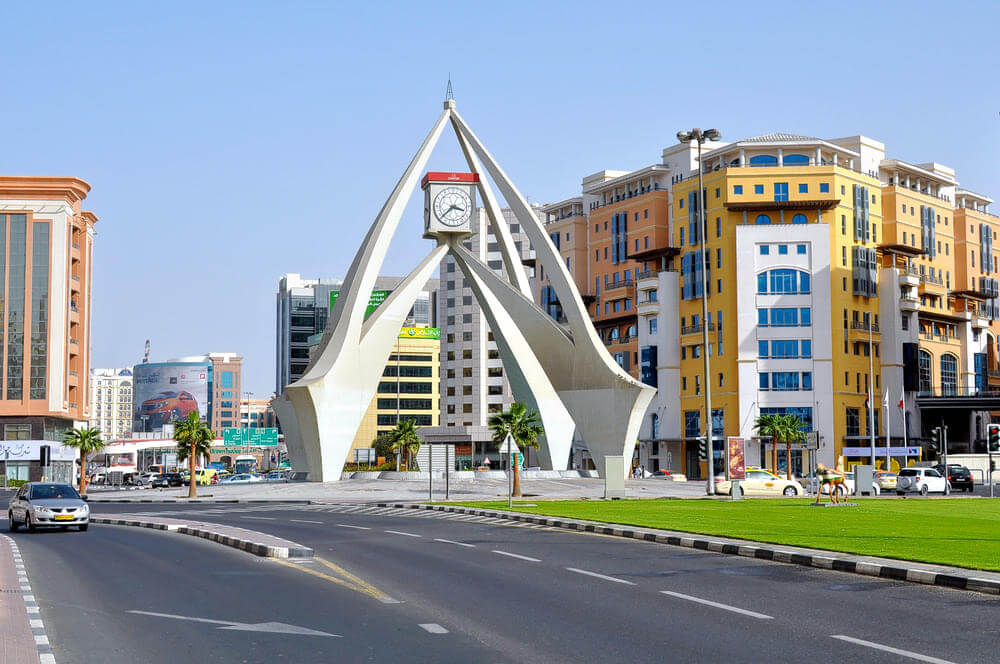
How to find Deira: In Google Maps or GPS, search for “Deira, Dubai”. The area spans roughly 25.27°N latitude and 55.32°E longitude, along both sides of Al Riqqa Street. For example, if you use Google Maps to plot Deira Dubai location, you’ll see its proximity to the creek and major landmarks like the Clock Tower.
Distance and Transport
Is Deira near Dubai Airport? Yes. Dubai International Airport (DXB) is only about 6–7 km west of Deira. Driving takes roughly 10 minutes via Sheikh Rashid Road (E11). (By comparison, DXB to Downtown Dubai is about 14 km, so Deira is even closer to the airport.) If you are flying into DXB (Terminal 1 or 3), a taxi or metro will get you to Deira quickly. The Dubai Metro Red Line has stops at Airport Terminal 1 and Union, which is on Deira’s edge. (For instance, the train from DXB to Union takes about 10 minutes.)
Getting around Deira is easy: Deira’s map shows a grid of streets packed with taxis and buses. The Dubai Metro (Green Line) runs under Deira, with stations at Baniyas and Gold Souq. By abra (traditional water taxi) you can cross the creek to Bur Dubai in minutes. Buses and e-rickshaws weave through every neighbourhood, and major sites like the Gold Souk are within walking distance of Al Rigga Metro Station.
History and Culture
Deira is often called old Dubai, and with good reason. The name “Dubai” itself may stem from the Farsi word for “two brothers,” referring to Deira and Bur Dubai – the twin hubs that grew around the creek. Long before glitzy skyscrapers appeared, Dubai’s story unfolded here. Deira’s heritage includes ancient watchtowers, traditional souks, and the first shopping mall.
One must-visit site is the Al Ahmadiya School (est. 1912) – today a heritage museum – which marks the center of old Deira. The entire Dubai Creek area is even being considered for UNESCO World Heritage status, highlighting Deira’s historic importance.
Heritage Trails: In 2025, Dubai Municipality completed a Dh9.5 million project to link Deira’s markets with heritage trails. Three pedestrian routes now connect the Gold Souk, Spice Souk, Perfume Market and more, totaling 1.78 km. Today, wandering these restored alleys lets you literally walk through Deira’s past while shopping. Traditional materials like sarooj (lime plaster) were used in restoration to keep the old look.
A traditional wooden abra boat on Dubai Creek provides a scenic ride between Deira and Bur Dubai. The heritage trails project has improved areas like the Gold and Spice Souks
Deira’s culture is relaxed and community-focused. Many families have lived here for generations. Locals tend to follow traditional customs: for example, dressing conservatively in public is advised. Visitors often say Deira feels like the “real Dubai” because of its authentic atmosphere and friendly residents.
Things to See and Do
Traditional Souks and Markets
If shopping is on your mind, Deira Dubai shopping will not disappoint. The most famous is the Dubai Gold Souk, a glittering maze of jewelry stores. Here you can haggle for gold necklaces or just admire vast arrays of precious gems under glittering lights. Nearby is the Spice Souk, where exotic aromas fill the air and you can buy saffron, cumin or cardamom by the kilo. Adjacent to the Spice Souk is the Perfume Souk, full of glass bottles of attars and oils – a delight for senses. (Don’t miss al-futtaim and Al Fahidi Street for even more bargains.)
One new must-see is the Waterfront Market (also called Deira Fish Market), a modern replacement for the old Deira Fish Souk. Here you can buy fresh seafood, meat, produce and spices under one roof. It’s especially photogenic at dawn when vendors display their morning catch.
Shopping tip: Haggling is expected in the souks – don’t hesitate to negotiate prices at the Spice or Perfume Souks. It’s also wise to compare prices at a few shops. Bear in mind that extremely cheap electronics (like iPhones) in Deira might be second-hand or grey-market imports. The Telecom Authority has warned about fake or refurbished phones in some Deira shops, so always insist on a warranty.
Modern Malls and Dining
Despite its old-world charm, Deira has modern malls too. The City Centre Deira (at Al Rigga Metro Station) is a long-standing shopping center with international brands, a cinema, and restaurants. Al Ghurair Centre – the region’s first modern mall (opened in 1981) – still draws crowds with its mix of shops and entertainment. These malls provide air-conditioned comfort after a morning in the sun.
For food, Deira shines with international options. From budget buffets to high-end eateries, you can sample everything. Al Rigga and Naif have countless Indian, Pakistani and Filipino restaurants. Don’t miss having Shawarma from a street vendor or dining in Deira’s famed seafood restaurants near the creek.
Recreation and Creek Rides
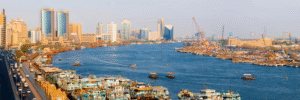
The Dubai Creek itself is a Deira highlight. Riding an abra (wooden water taxi) across the water is a classic experience (just 1 AED for most rides). It’s a quick, fun way to cross to Bur Dubai and see Deira’s skyline. The Creek’s promenade is lovely in the evening, with an Indian tea shop or café to relax at.
A short drive north along the waterfront is Al Mamzar Beach Park (technically in Deira’s district). This green oasis has beaches, pools, and barbecue spots – perfect for families wanting a break from the city.
Hotels in Deira Dubai
Accommodations in Deira range from budget to boutique. Many international hotel chains have Deira branches because of its central location. For example:
| Hotel | Category | Notes |
|---|---|---|
| Novotel City Centre Deira | 4-star | Next to metro, rooftop pool |
| Park Hyatt Dubai | 5-star | Luxurious creek-side resort near Al Seef |
| Sheraton Deira (Old Wing) | 5-star | Historic hotel close to Gold Souk |
| Al Khaleej Palace | 4-star | Family-friendly, near Deira Clocktower |
| Citymax Hotel Al Barsha | Budget | Affordable, short metro ride away |
Many Deira Dubai hotels are within walking distance of major attractions. Novotel Deira City Centre, for instance, sits beside City Centre Mall and has a metro station below it. If you prefer something boutique, properties like the Arabian Park Hotel or the Raintree Hotel Dubai (in Al Muraqqabat) offer quieter stays. Expect generally lower rates here than in Downtown or Marina. In fact, rents and hotel prices in Deira can be up to 20% cheaper than in central Dubai, making it a budget-friendly base.
Living in Deira: Cost, Safety, and Lifestyle
Cost of Living
Deira is known as a relatively affordable part of Dubai. Rents here tend to be lower than in newer developments. According to local real estate data, a studio in Deira might rent for around 28,000–35,000 AED/year, whereas similar spaces in nearby Bur Dubai go for 35,000–45,000 AED. Groceries, dining and utilities are comparable to Dubai’s average. Overall, many expats find Deira more budget-friendly than, say, Downtown or DIFC.
Example: One expat in Al Rigga mentioned that rent had been dropping, making it appealing to stay. On the other hand, very upscale or ultra-modern neighborhoods (like Dubai Marina) will cost more. If you are on a tighter budget, shopping at Deira’s local markets can also save money – you’ll find spices, vegetables and fabrics at much lower prices than in Western malls.
Safety and Community
Dubai as a whole is famously safe, and Deira is no exception. The UAE was ranked the world’s safest country in 2025, with Dubai getting praise for low crime and strict law enforcement. In practice, Deira feels very secure; petty crime is rare compared to big cities elsewhere. Local police are present in markets and metro stations.
That said, use common sense. Like any city, stay aware of your belongings in crowded souks or buses. Also respect local customs: public displays of affection (beyond holding hands) are frowned upon or even illegal. For example, kissing your partner or loud PDA in public can result in fines.
Community vibe: Deira is densely populated and always lively. Neighbors know each other, and the area feels “alive” nearly 24/7. Aside from Arabs, you’ll hear many languages – Hindi, Urdu, Tagalog and more – reflecting Dubai’s multicultural residents. Many families live here, especially in areas like Hor Al Anz. The presence of schools, mosques, temples and churches makes it family-friendly. One resident noted that parks and groceries were plentiful, and the metro was a big plus for commuters.
Transportation and Accessibility
Getting around Dubai from Deira is straightforward. Deira has multiple metro stations (red and green lines) including Baniyas Square and Union, connecting to the airport and beyond. Taxis and ride-hailing apps are abundant and relatively inexpensive by Western standards (a 10 km ride might be around 30–40 AED). You can reach Downtown or the Mall of the Emirates in under 30 minutes by taxi in light traffic.
Many roads in Deira are one-way or congested at peak hours, so the metro is often faster. Buses also crisscross Deira – for example, Bus 21 goes right to the Gold Souk. For short trips, the abra boat is not only a novelty but a quick ferry: it takes just 5 minutes to cross the creek to Bur Dubai. (And if you’re on foot, you could walk across the Al Maktoum Bridge in about 15 minutes.) Overall, Deira’s central location means you can reach any part of Dubai conveniently.
Climate and Best Time to Visit
Deira Dubai weather is typical of the UAE’s desert climate. Summers (June–August) are extremely hot. Daytime highs regularly exceed 38°C (100°F), often topping 40°C, and nights stay around 26–30°C. Occasional dust storms can kick up in summer, making afternoons unpleasant. If you visit in summer, plan activities indoors or during early morning/evening.
Winters (December–February) are mild and sunny. January averages are about 22°C in the afternoon and 12°C at night. This is peak tourist season. Spring (March–May) warms up quickly, and autumn (September–November) cools down. Deira gets very little rain (often just 50–100 mm per year), so rain gear is usually not needed.
| Month | Avg High (°C) | Avg Low (°C) | Rain (mm) |
|---|---|---|---|
| January | 24 | 14 | 30 |
| April | 34 | 21 | 5 |
| July | 41 | 30 | 0 |
| October | 36 | 25 | 5 |
Best time to visit: For outdoor exploration (souks, parks, creek), the cooler months Nov–Mar are ideal. Early spring (Feb–Apr) is also pleasant before the summer heat really rises.
Practical Tips for Visitors
- Dress Modestly: Deira is more traditional than Dubai Marina. Light but conservative clothing is wise.
- Stay Hydrated: If you walk the souks midday, carry water – temperatures climb fast.
- Use Public Transit: Take the Metro or abra to beat traffic and save money.
- Bargain Smartly: Haggling in souks is part of the fun. Be polite and start low.
- Keep Pesos: Always carry small Emirati Dirhams (notes and coins) for taxis, vendors and tip jars.
- Check Timings: Some shops close for a long midday break (Arabic “qīyām”), especially in summer afternoons and during Ramadan evenings.
Deira vs. Bur Dubai: A Quick Comparison
Deira and Bur Dubai sit on opposite sides of the creek but each has unique character. Deira has a more traditional market vibe, with its famous souks and busy local streets. Rents and prices here tend to be slightly lower. Bur Dubai (south side) feels more touristy and family-oriented, with historic sites like the Al Fahidi Historic District and a concentration of mosques and schools.
- Affordability: Deira is generally cheaper – a nicer apartment or hotel here will cost less than in Bur Dubai’s prime spots.
- Attractions: If you want souks and an authentic shopping experience, Deira wins with its Gold, Spice and Perfume Souks. Bur Dubai has attractions like Dubai Museum and Al Seef.
- Atmosphere: Deira is bustling and local; Bur Dubai is a bit calmer and more expat-friendly.
- Commute: Both areas are well-connected by metro and abra. In rush hour Deira can be congested, but Bur Dubai streets are also busy.
Ultimately, which is better depends on your tastes. Deira appeals to budget shoppers and culture lovers, while Bur Dubai may suit families and those wanting both old Dubai and quick access to Downtown Dubai.
Conclusion
Deira stands as Dubai’s heritage hub – a place where you can experience old-world charm and modern city life side by side. From bargaining in the Dubai Gold Souk to sipping karak tea at an abra stand, Deira offers an authentic slice of Dubai that’s still affordable and welcoming. Whether you’re visiting the floating markets, exploring heritage sites, or just soaking in the multicultural atmosphere, this district has something for everyone. Hopefully this guide has given you a detailed A–Z tour of Deira’s history, places and practical tips. Safe travels and enjoy discovering Deira’s unique charm!
FAQs
1. Why is Deira Dubai famous?
Deira is famous for its century-old markets and cultural heritage. It hosts the world-renowned Gold Souk and Spice Souk, where tourists come for jewelry and exotic spices. Deira is also one of the city’s original districts along the Dubai Creek, reflecting the emirate’s trading history. The traditional ambience, historic sites like Al Ahmadiya School and lively street life make Deira a top attraction.
2. How far is Deira from Dubai International Airport?
Deira is very close to DXB airport. It’s about 6 km away, which is roughly a 10-minute taxi ride. Public transit is just as quick: the Red Line Metro runs between DXB and the Union metro station in Deira in about 10 minutes.
3. Is living in Deira cheaper than other parts of Dubai?
Yes, Deira is generally more affordable than many newer Dubai areas. Rental rates here tend to be 10–20% lower than in nearby Bur Dubai or city-centre districts. Groceries and dining are also reasonably priced, thanks to the availability of local markets. However, costs are rising slowly, so “cheaper” is relative to Dubai’s overall high living costs.
4. Which is better to stay: Deira or Bur Dubai?
It depends on your preferences. Deira offers a traditional, bustling atmosphere with easier shopping and lower rents. It’s ideal for visitors wanting an authentic vibe and good market access. Bur Dubai, on the other hand, is family-friendly with more tourist attractions (museums, mosques, etc.) and maybe a more mixed expat community. Both areas are safe and well-connected.
5. Is Deira a safe area for visitors?
Absolutely. Dubai, including Deira, has very low crime rates. You can walk around markets at night without much concern. Normal precautions apply (watch your belongings in crowds, especially on metro or in souks). It’s wise to respect local customs (dress modestly, keep PDA minimal) but otherwise Deira is as safe and vibrant as any major city neighbourhood.